Vetting Your Quality Arborist
Grasp the Position of a Landscaper in Building and Caring for Dynamic Outdoor Areas
The purpose of a landscaper extends beyond only visual appeal. The work involves mixing artistry with nature-based rules to design eco-friendly exterior settings. By means of meticulous plant selection and deliberate planning, they enhance functionality while promoting biodiversity. Yet, the influence of their work extends well past single land parcels. Recognizing the multifaceted responsibilities of landscapers reveals deeper implications for societal health and ecological stability. What factors truly drive their judgments in shaping these essential green spaces?
The Craft and Discipline of Creating Landscapes
Although people often view landscape design as just a visual endeavor, it deeply integrates design and ecology to produce harmonious outdoor spaces. A successful landscape designer has to know the principles of design, such as equilibrium, scale, and flow, while also considering ecological factors. The blending of local vegetation, ground composition, and climate conditions is critically important in creating enduring settings.
By employing artistic elements like color, texture, and form, landscape designers craft visually appealing spaces that appeal to human emotions. Meanwhile, scientific knowledge makes certain that these designs are feasible and long-lasting, addressing issues like drainage, plant growth, and pest management.
Through this marriage of design talent and scientific insight, landscapers transform plain settings into dynamic, useful spaces that improve people's quality of life and promote appreciation for the outdoors. Finally, landscape design is a thoughtful discipline that fosters a stronger recognition for the surrounding world.
Essential Skills and Qualifications of a Landscaper
To excel in the field of landscaping, individuals must possess a wide range of abilities and credentials that blend technical knowledge with practical experience. A firm grasp of horticulture is essential, which permits landscapers to select appropriate plant species and understand how they need to grow. Competence in using thorough guide landscape design software is increasingly valuable, which helps experts to create detailed plans and visual aids for customers.
Additionally, strength and manual dexterity are vital, as landscaping often involves heavy lifting, digging, and operating machinery. Effective communication are also important, which permits them to interact with clients and colleagues efficiently.
A degree in horticulture or a similar discipline improves a landscaper's trustworthiness, and professional certificates from established bodies can solidify their skill set. In the end, a blend of these abilities and attributes allows landscapers to create beautiful and useful outdoor environments, satisfying the requirements of their clients.
Choosing and Acquiring Flora for Optimal Growth
A landscaper's ability to select and acquire vegetation is fundamental to creating robust outdoor settings. This process requires deep knowledge of horticultural science, weather patterns, and ground composition. By analyzing the particular environmental context, landscapers may determine varieties that will thrive in the given environment, ensuring ideal growth and durability.
Moreover, acquiring vegetation from trusted growers or regional producers is vital. This provides assurance of the vitality and condition of the plants but further promotes eco-friendly methods. Landscapers commonly utilize local flora, which are adapted to local ecosystems and demand fewer resources, making them an environmentally friendly choice.
In addition, the choosing method needs to consider seasonal changes, guaranteeing the exterior stays lively throughout the year. By carefully choosing a wide array of flora, landscapers create visually appealing spaces and supporting ecological balance and ecological balance, which fosters durable green spaces.
Designing Practical Exterior Areas: Arrangement and Planning
Developing practical exterior areas demands close attention of layout and design to guarantee effective space utilization. A skilled landscaper balances aesthetic appeal with usable features, improving the enjoyment of the environment. Deliberate arrangement not only maximizes usability but integrates seamlessly into the surrounding landscape.
Effective Space Utilization
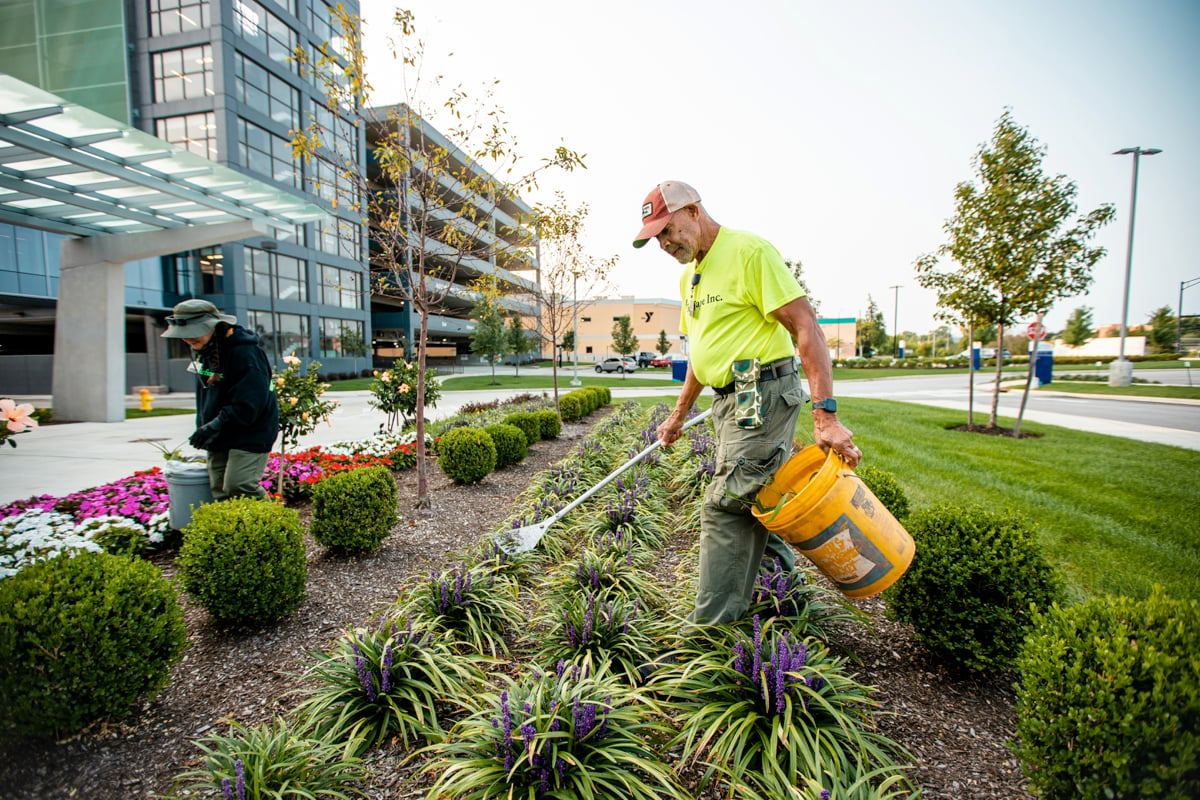
Though many residents view their outdoor spaces as only additions of their interior environments, efficient use of the area converts these settings into practical and appealing environments. Landscapers serve a crucial function in evaluating the unique dimensions and features of every area, ensuring that every square foot is optimized for use and pleasure. Deliberate structure and aesthetics incorporate elements such as pathways, rest areas, and plant beds that promote flow and engagement. Navarre Landscaper. By analyzing factors like solar exposure, air currents, and pre-existing buildings, designers develop balanced settings that cater to the living requirements of the property owners. This thoughtful approach doesn't just improve usability but also cultivates a sense of unity between interior and exterior areas, making them key elements of a seamless domestic life
Balancing Aesthetics and Function
Achieving a harmonious blend of beauty and utility in outdoor spaces necessitates thoughtful evaluation of both design elements and utility. Professionals are required to examine the planned function of the space as well as the visual appeal. As an illustration, designing a rest spot should include cozy seating while guaranteeing it goes well with nearby flora and walkways. A well-planned arrangement allows for seamless movement, facilitating simple navigation and unhindered access. Including components such as illumination, fountains, and varied flora improves both the visual appeal and practicality. Furthermore, utilizing durable materials guarantees that outdoor spaces can handle different climates, preserving their utility over time. Finally, a successful outdoor design combines aesthetic pleasure with utility, creating settings that invite enjoyment and cater to the needs of users.
Why Environmental Sustainability Matters in Landscape Design
Environmental sustainability in landscaping is essential for preserving natural resources and supporting ecological diversity. Through the use of sustainable flora choices and implementing effective irrigation methods, landscapers can establish landscapes that are both beautiful and environmentally responsible. This method boosts the look of the space but also supports the enduring well-being of the local ecology.
Selecting Environmentally Sound Flora
What role do professionals play to a better local ecology through their plant choices? Through the use of local and water-wise flora, landscapers play an essential role in advancing ecological responsibility. Navarre Landscaper. Indigenous species need less water and maintenance, aiding regional fauna and reducing the need for chemical fertilizers and pesticides. They establish deeper root systems, boosting the vitality of the earth and mitigating washout. Additionally, employing a diverse range of flora types promotes ecological variety, which is imperative for ecosystem resilience. Landscapers might also use organic practices, including composting and mulching, to further reduce environmental impact. Through thoughtful plant selection, they not only design vibrant outdoor spaces but also contribute to the preservation of local ecosystems and the general well-being of the environment
Water Conservation Techniques
Landscapers are key to boosting sustainability in outdoor environments by employing effective water conservation techniques. One frequently used approach is the use of xeriscaping, which means picking drought-resistant plants that require minimal irrigation. Additionally, landscapers may install efficient irrigation systems, such as drip irrigation, which delivers water directly to the plant roots, reducing waste. Rainwater harvesting systems may also be included, making possible the collection and storage of rainwater for landscape use. Mulching assists in keeping soil moisture and lessens evaporation, further contributing to water conservation. Furthermore, landscapers should inform clients about appropriate watering schedules to make certain of efficient use of water resources. By using these methods, landscapers are essential in promoting environmental sustainability while preserving vibrant outdoor spaces.
Maintenance Strategies for Successful Outdoor Areas
While many might see maintenance as a routine chore, it is vital for cultivating vibrant outdoor environments. Good upkeep methods guarantee that landscapes stay healthy and aesthetically pleasing throughout the seasons. Regular tasks involve mowing, pruning, and weeding, which encourage growth and deter pests and diseases.
Irrigation systems must be monitored and adjusted to make certain plants receive adequate water without too much runoff. Mulching doesn't just conserve moisture but also controls weeds, leading to a cleaner appearance. Fertilization, when used carefully, supplies essential nourishment that strengthen plant health.
Additionally, addressing drainage issues is necessary to prevent waterlogging, which could ruin root systems. Seasonal assessments let landscapers identify and address potential problems before they become serious. Through these careful maintenance practices, landscapes are able to flourish, fostering environments that are both practical and visually appealing.
The Financial and Communal Benefits of Designed Landscapes
Despite being commonly disregarded, outdoor environments are vital in boosting financial value and communal health among neighborhoods. Thoughtfully planned green spaces attract businesses and increase property values, because future owners frequently favor visual appeal and outdoor environments. Furthermore, landscaped areas contribute to local economies by providing venues for events and recreational activities, promoting travel and neighborhood involvement.
From a social perspective, these environments support emotional balance and physical condition, providing inhabitants spots to unwind, work out, and engage with the natural world. Green spaces and yards function as neighborhood centers, bolstering social connections and fostering neighborhood engagement. Furthermore, properly cared-for green areas help lower city temperatures, boost atmospheric cleanliness, and support ecological diversity, resulting in improved life circumstances.
Fundamentally, green areas do more than just enhance local aesthetics but also offer substantial economic benefits and cultivate communal inclusion, establishing them as crucial elements of flourishing societies.
FAQs
What Tools Do Landscapers Use Regularly in Their Work?
Landscape professionals routinely employ equipment like spades, garden claws, shears, grass cutters, and cultivators. Additionally, they often employ wheelbarrows, hedge trimmers, and edgers to skillfully form and preserve exterior environments according to design specifications and client preferences.
How Do Landscapers Handle Pest Control in Outdoor Spaces?
Gardeners address infestations utilizing holistic methods, such as determining the type of pests, implementing biological or chemical solutions, promoting beneficial insects, and executing protective actions like correct planting and area maintenance to maintain healthy outdoor spaces.
What Problems Frequently Arise for Landscapers?
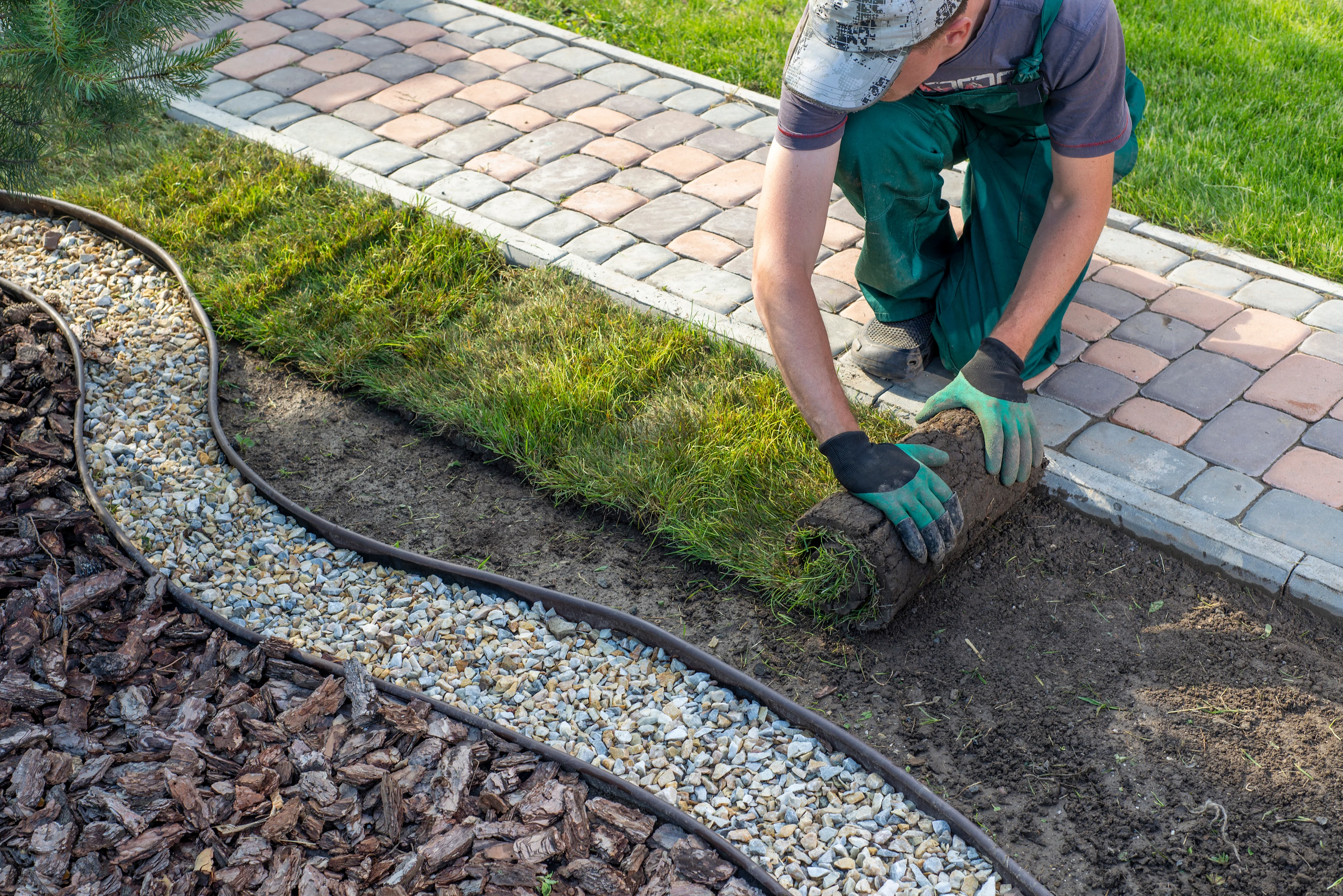
Gardeners commonly run into difficulties like volatile atmospheric conditions, monetary restrictions, earth composition problems, pest invasions, and patron requirements. These elements may make project schedules difficult and affect the overall success of the landscaping endeavor.
How Do Seasons Affect Landscaping Projects and Maintenance?
The time of year significantly affects landscape work and upkeep, as temperature, precipitation, and daylight hours influence plant growth, soil conditions, and pest activity. Gardeners are required to modify their plans as needed to secure favorable achievements year-round.
What is the usual duration for executing a landscaping project?

A average landscaping project timeline ranges from a few weeks to multiple months. Variables impacting duration involve project difficulty, the weather, and seasonal considerations, necessitating detailed planning and organization for a successful finish.